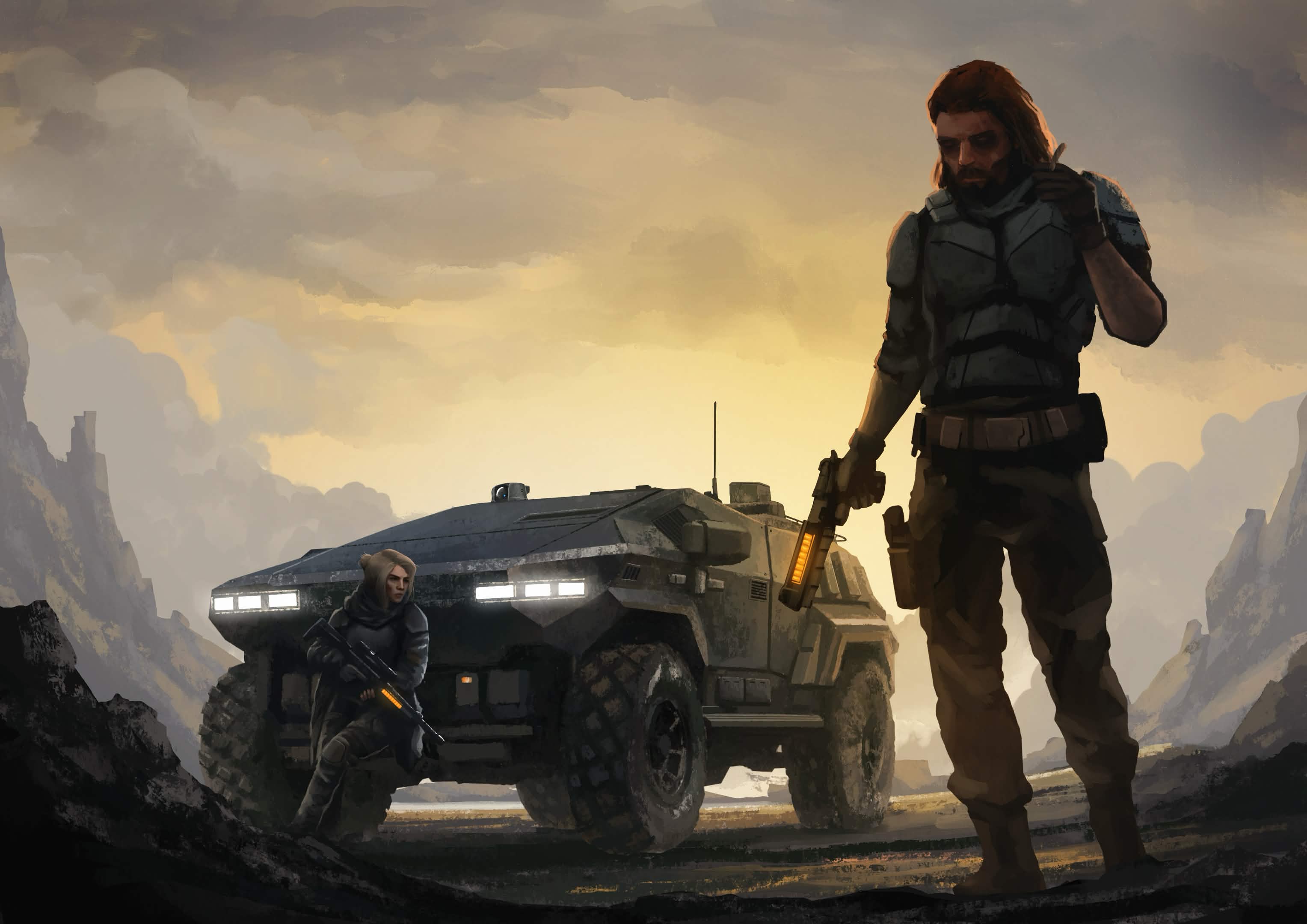
Ayitha Solarn
Architect of the Geban Calendar
Ayitha Solarn was a member of the Solarn family during the Era of Early Stagnation. The Solarns were well established by then, with generations of relay engineering behind them, and Ayitha's work went in a different direction from the rest of the family's. Where they focused on making relays stronger and faster and producing components at scale, she put the relay network to a use it had never had before.
Atmospheric Sensors
Ayitha invented sensors that could detect air pressure shifts and frequency changes using existing relay infrastructure. The system gave populations in remote areas advance awareness of incoming weather and the ability to check global atmospheric conditions, so long as there was a relay or outpost within range. It was the first time the relay network had been used for environmental monitoring rather than communication or power distribution.
The system worked, but most people could not use it. The sensor readings required an engineer to interpret, and anyone who could not afford that expertise got nothing from them.
Geban Calendar
Calibrating the sensors against regional conditions required extensive travel across the planet. That travel gave her and other Solarns the first accurate picture of how the three Child stars moved relative to Geba and how their positions directly affected conditions from gravity to weather. The Geban Calendar was produced from this understanding and adopted as the global standard. The only variables that remain uncertain are those of the Uncharted landmass and deep Inland Thazvaar, where Solarn relays have never been established long enough to record accurate data.
Legacy
Her sensor architecture was the direct precursor to the later systems that solved the accessibility problem. The Sentinel weather tracking system built on her work to produce readable outputs for general use. The Saojuul weather pattern and disaster alert system went further, giving commoners and the poor advance warning of dangerous conditions so they no longer had to wait for a disaster to happen or watch it unfold on a relay broadcast when it was already too late.